
Effect of Globalization on Oral Literature in Rwanda: A Case Study of INES, Musanze-Rwanda
NIRINGIYIMANA Theophile
NIRYAYO Antony
MAZIMPAKA Esron
MBONIZANA Martin
NSEKARIJE Vedaste
NIYIGENA Albert
BIZADUFASHA Janvier
NIYONSENGA Jean de Dieu
HABIYAREMYE Edouard
MANIRIHO Jean de Dieu
NIYOMWUNGERI Parfait
…………………………………………………………………………………………………………………
ABSTRACT
This study aimed to analyze the effect of globalization on oral literature in Rwanda, focusing on Musanze sector and INES-Ruhengeri. Employing a mixed research design of descriptive survey and a case study, the research aimed to identify the types of globalization affecting oral literature, their effect and possible strategies. The study targeted 864 individuals, with a sample drawn through stratified and simple random sampling, including 80 students whose responses were analyzed. Data collection methods comprised questionnaires, interviews, and document reviews. Reliability of research instruments was ensured through peer and supervision review at the University of Kampala. Data analysis was conducted using SPSS version 20, with findings presented in frequency tables. The research revealed that commercial / trade /economic and technological globalization are the most influential factors impacting oral literature in the region. Key effects include the marginalization of local traditions, loss of local culture and values, and the increasing dominance of global languages like English and French, leading to the incorporation of foreign vocabulary and linguistic structures into Rwandan oral literature. The study suggests promoting cultural values, through dances, festivals, and events, alongside improving local language proficiency encompassing pronunciation, grammar, vocabulary, fluency, and comprehension to counter the negative impact. The research recommends further investigation into the incorporation of foreign linguistic elements and proposes the introduction of seminars, lectures, workshops, and conferences at INES-Ruhengeri to address the complex relationship between globalization and oral literature.
Keywords: Effect, Globalization, oral, Literature, Oral Literature and Rwanda
…………………………………………………………………………………..……………………………
I.INTRODUCTION
In the past few decades, globalization plays a role in shaping the political and economic structures, creating a complex environment that is reflected in the narrative (Hayes,2017). Language is another significant aspect impacted by globalization. The use of English in the novel, a legacy of colonialism, is symbolic of the enduring influence of Western culture (Brock-Utne, 2018). This linguistic choice reflects the complexities of identity in globalized world, where traditional languages may be overshadowed by a dominant global language (Mussa, 2019). In the education sector, as in other policy areas, it also emphasizes the commonality of problems and analyses between North and South, although there are profound problems in taking such analyses too far (Castells, 2017). The expansion of the World Wide Web (WWW) (and online booksellers such as amazon.com) has allowed for an exponential extension of the reach of literature, exposing buyers in remote areas of the world to an ever-wider range of texts, while also increasingly putting local bookshops, with their owners’ sometimes idiosyncratic affinities, out of business (Gupta, 2019). It is still unclear whether this new situation (increased consolidation and increased reach) will entail a genuinely multidirectional flow of ideas around the world or rather that books, like other “luxury” goods, will move largely from the United States and Europe to the developing world, while the labor that goes into book production is itself outsourced. In any case, glancing back at the last fifteen years, the contemporary books that literature students in US and UK universities tend to read come from a significantly wider geographical area than formerly, even if those books are largely written by a handful of Western-educated Anglophone authors. (Gupta, 2019). India was already politically and culturally intimately linked to the outside “modern” world, yet also maintained a recognizably separate, local identity and the impact of globalization on Indian literature and culture was remarkable strong (Devi, 2017). In any case, the more complex question that remains is what globalization has to do with the very form(s) of contemporary literature. Just as Proust, Kafka, Joyce, Woolf, Eliot, and Beckett expressed a state of the (“modern”) world in the very shapes of their sentences or poetic lines in Asian countries (Held, et al, 2018). In Africa, globalization brings with it a large baggage of Western preconceptions and ways of living that acculturate second language speakers to a model of society that may antagonize their own tradition and culture. For example, “Mine Boy” by Peter Abrahams discussed the impact of colonialism in South Africa as an instance of globalization. As the colonists came in South Africa, they discriminated the natives politically, socially, and economically. So, this influenced authors to write about the situations (Hoogvelt, 2018). The novel of “Mine Boy” by Peter Abrahams explores several themes, including racial discrimination, identity, and the struggle for equality in South Africa during the era of apartheid. One example is the protagonist, Xuma, who faces discrimination and segregation in the mine where he works, highlighting the pervasive racism in society (Hoogvelt, 2018). A Man of the People” by Chinua Achebe explores the effects of globalization on oral literature in Nigeria. One notable aspect is the juxtaposition of traditional Nigerian values and the infiltration of Western ideologies. The character of Odili represents the clash between the old and new, reflecting the broader impact of globalization on the country’s cultural and literary landscape (Bhabha, 2019). Achebe’s work addresses the homogenizing effect of globalization on literature saying that the novel portrays the challenges of maintaining a distinct national literary identity amidst the influx of Western literary norms and this offers a nuanced exploration of the impact of globalization on oral literature in Nigeria, examining how cultural, political, and linguistic dimensions are influenced by global forces and the resulting implications for the country’s literary landscape (Afenyadu, 2019). Regionally, the Song of Lawino” by Okot P’ Bitek provides insight into the impact of globalization on the oral literature of Uganda which is influenced by colonization in the country. Now, colonial situations motivated Okot P’ Bitek to write “The Song of Lawino” One example is the clash between traditional African values and Western influences depicted in the poem. Lawino, the protagonist, laments the erosion of culture of her cultural heritage due to the influence of western ideas symbolizing the challenges faced by Uganda in the face of globalization. The poem reflects how globalization can lead to a loss of cultural identity as traditional customs and beliefs are overshadowed by Western values. Domestically, The contribution of Rwandan authors on the effect of globalization on national literature. The researcher explored contemporary Rwandan literature and scholarly works to discuss the effect of globalization on Rwandan national literature. Scholastique Mukasonga and Gilbert Gatore are both notable Rwandan authors who have made significant contributions to the literary landscape, particularly in the context of post-genocide literature. The researcher talked about Scholastique Mukasonga and Gilbert Gatore who contributed to Rwandan oral literature through which they wrote about the darkest history of Rwanda as the effect of globalization rooted in colonization under the bad leadership of Belgium rule that had a system of divide and rule. Actually, Rwandans were one and united by one language and the same culture. However, as the colonists arrived in Rwanda, in order to rule Rwandans. Then, they had better to divide them by giving them different characteristics regarding ethnicity. Therefore, this ethnic division brought deep rivalry among Rwandans and later it resulted in genocide. Despite a growing acknowledgment that globalization can lead to a loss of cultural identity as traditional customs and beliefs are overshadowed by Western values, little empirical research has been conducted on this effect of globalization in Rwanda especially in Musanze District. Apparently, little is known about certain aspects of oral literature changes as result of globalization. Therefore, the purpose of this study is to explain the correlation between globalization and oral literature in Rwanda. Perspective, INES Ruhengeri in Musanze Sector.
- Problem statement
Musanze sector has experienced the transformative forces of globalization. Oral literature in Rwanda has been a significant aspect of the country’s cultural heritage, with storytelling, songs, and poetry playing a crucial role in preserving and transmitting the nation’s history and values. However, globalization led to the erosion of traditional practices such as oral storytelling (Gasana, 2017).
According to Kagame (2018), Preserving Oral literature in the Age of Globalization. One of the main challenges facing oral literature in Musanze is the increasing influence of Western culture and media. With the proliferation of television, radio, and the internet, younger generations in Rwanda are increasingly exposed to Western forms of entertainment, which often overshadow traditional oral storytelling (Kagame, 2018). Several researches have been done on the effects of globalization on oral literature in many countries for example in Croucher and Shela (2022) in United State of America, Priya Kulkarni (2021) in India, Robertson and Roland (2020) in London, England, Jameson and Fredric (2023) in Finland, Olubukola and Adesina (2019) in Nigeria. However, the effect of globalization on oral literature in Rwanda especially INES in Musanze sector has not yet revealed, therefore, it is against this backdrop that this study seeks to assess the effect of globalization on oral literature in Rwanda, Musanze sector using INES Ruhengeri. This study is a step towards addressing this gap.
1.2 Research Objective
Specifically, this study sought;
- To find out the types of globalization affects oral literature in Musanze sector.
- To determine the effect of globalization on oral literature in Musanze sector
- To suggest possible strategies to address the effect of globalization on oral literature in Musanze sector
- LITERATURE REVIEW
This section presents the theoretical framework and the empirical review related to the types of globalization affects oral literature, the effect of globalization on oral literature and possible strategies to address the effect of globalization on oral literature in Musanze sector.
2.1 Theoretical Review
This dissertation was informed and grounded on the systems theory propounded by Bertalanffy (1920). This theory considers the human body made up of different organs like the heart, liver, alimentary canal or other parts that must be considered if the body is to function efficiently. The theory was used to explain or liken it to the society with different people’ characters and behaviours. For instance, all types of globalization significantly influence written literature by preserving cultural stories, values, and histories that are later transcribed into written form (Fairclough,2018). This transition helps maintain the authenticity and richness of the original narratives, ensuring they reach wider audiences and endure over time (Apter, 2017). It further highlights the necessity for Rwanda to ensure that the rapid advancement of science and technology, Rwanda in general and Musanze in particular gradually losing its diversity. Globalization has shattered the notion of diversity and created unity among the people, especially the writers who are now able to produce their works for the entire world to demonstrate their creative abilities (Appadurai, 2019). This theory is paramount important in helping to get more understanding on effect of globalisation on oral literature in Rwanda.
2.2. Empirical review
Previous empirical studies have examined how globalisation, technological development, migration, education, and mass media influence African oral literature. Na’Allah (2018) examined the relationship between globalisation and African traditional oral poetry and found that globalisation has changed the ways oral performances are produced, transmitted, and consumed (Na’Allah, 2018). The expansion of electronic and digital communication has enabled oral traditions to reach wider audiences, while at the same time exposing them to foreign cultural forms and new modes of artistic expression. Similarly, Sone (2018) observed that African oral literature is affected by rapid social, technological, and cultural changes. However, the study also showed that oral literature is adaptable and can survive by adjusting to changing social environments (Sone, 2018).
Otiono and Akọma further examined contemporary oral literary performance in Africa and demonstrated that oral literature is no longer restricted to traditional face-to-face settings. (Otiono and Akọma, 2021) Radio, television, popular culture, recorded performances, and digital media have created new spaces for oral expression. These developments have increased the visibility and accessibility of oral literature, but they have also contributed to changes in traditional forms and performance contexts. Akinyemi and Folola similarly highlighted the changing position of African oral traditions in contemporary societies. Their work shows that globalisation and technological development can create opportunities for documentation, wider dissemination, and cultural exchange, while also contributing to the weakening of some traditional practices. (Akinyemi, A., & Falola, T , 2021).
Studies focusing on particular African communities provide further evidence of these changes. Kugara and Mokgoatšana (2022), in their study of the digitisation of VhaVenda oral traditions in South Africa, used qualitative methods, including interviews with knowledge holders and other cultural stakeholders. They found that digitisation presented challenges related to language, methodology, sponsorship, and cultural preferences. The researchers recommended cooperation among communities, researchers, institutions, and other stakeholders to ensure that technology supports rather than undermines indigenous knowledge. This finding is relevant to the present study because it demonstrates that technological globalisation can have both positive and negative consequences for oral traditions (Kugara & Mokgoatšana, 2022).
In Rwanda, Samuelson, Park, and Munyaneza (2018) investigated the use of oral storytelling as a creative resource for connecting home storytelling with English learning (Samuelson, Park & Munyaneza, 2018). Their study demonstrated that Rwandan oral traditions can be adapted to contemporary educational environments and can contribute to language learning and cultural connection. Bazimaziki (2020) also examined the socio-cultural functions of oral literary genres in Rwandan wedding and death contexts. The study showed that proverbs, songs, poetry, and other oral genres continue to communicate cultural values, social relationships, beliefs, and community knowledge (Bazimaziki, 2020). These Rwandan studies demonstrate the continuing importance and adaptability of oral literature, although they do not specifically investigate the effects of globalisation on oral literature in Musanze.
In summary, the reviewed studies indicate that globalisation has produced both opportunities and challenges for African oral literature. It has expanded access to oral traditions through education, mass media, recording, and digital technologies, while also contributing to cultural change, the modification of traditional performance practices, and possible weakening of some indigenous forms. The reviewed literature therefore provides a basis for investigating the types of globalisation affecting oral literature, their effects, and possible strategies for maintaining oral traditions in changing social environments.
2.3 Research Gap
Although previous studies have examined African oral literature in relation to globalisation, technology, education, and social change, important gaps remain. First, there is a geographical gap because much of the empirical evidence comes from countries such as Nigeria and South Africa, while limited empirical research has specifically examined the relationship between globalisation and oral literature in Rwanda, particularly in Musanze. Rwanda-based studies have mainly focused on the cultural and educational functions of oral literature rather than directly examining how globalisation is changing it.
Second, there is a contextual gap. Existing studies often concentrate on particular oral genres, educational storytelling, or digitisation. Limited attention has been given to the combined influence of different forms of globalisation, including technology, mass media, education, migration, and cultural exchange, on oral literature within a specific Rwandan community.
Third, there is a methodological gap. Several existing studies are qualitative, literary, or theoretical in orientation. Consequently, there is a need for context-specific research that combines quantitative and qualitative evidence to establish both the extent and nature of globalisation’s influence on oral literature.
Finally, there is a practical gap concerning strategies for preserving and promoting oral literature. Although previous researchers have suggested documentation, education, community participation, and appropriate use of digital technologies, limited empirical evidence shows which strategies are considered suitable by stakeholders in Musanze. The present study therefore seeks to address these gaps by examining the forms of globalisation affecting oral literature, determining their effects, and identifying appropriate strategies for sustaining oral literature in Musanze.
2.4 Conceptual framework
The study therefore uses this conceptual framework as a basis for research by linking the relationship between independent variable (Globalisation: Economic globalization, social globalization, cultural globalization, political globalization, environmental globalization, technological globalization and financial globalization as well as geographical globalization and dependent variable (forms of oral literature: Songs, Folk drama, Myth, Legends, Epics, Tall tales, Ballads, Historical recitation, Proverbs, Riddles, Sayings, Idioms, Narratives/ Tales (Fables, dilemma, etiological, trickster and Monster). Therefore, interventions and political, economic, cultural support from various stakeholders in education including the government, community and national museums, NGOs and universities and academic institutions are needed to reduce the negative influence of globalization on national literature. And of course there is no permanent culture, “culture is dynamic as scholars say.” What this academic research targets are to look at the negative effect which can harm the oral literature and we leave it, but on the other side we appreciate and maintain the positive ones
Researcher presents how globalisation affects oral literature as presents in below figure 1:
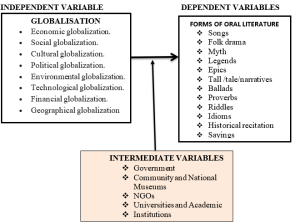
Figure 1: Conceptual framework modal (Researcher, 2024)
III. METHODOLOGY
3.1 Research Design
The study adopted a triangulation of a case study design and mixed research design combining qualitative and quantitative approaches to analyse data. A case study design is chosen because the researcher has neither the time nor financial resources to conduct a national survey of all the sectors in Rwanda, He focused on INES students and local leaders in Musanze sector.
3.2 Study Area
This study was carried out in Musanze Sector. Musanze Sector is located in the Musanze District, northern highland part between latitude 1° 32′ 39″ S and Longitude 29° 38′ 9″ with an altitude of 1,849 meters above sea level (masl) (Figure 1). Musanze Sector has a population 47,720 population (2022 census). Its surface area is 32.90 km2. The major focus was put onto INES Ruhengeri located in this sector.
3.3 Target Population
The population of interest is the specific group or groups that the study aims to examine. Is a set of participants which is selected from the population and the set of participants should be less than in number (size) but adequately represents the population from which it is drawn so that true inferences about the population can be made from the results obtained. This set of individuals is known as “sample”. In a statistical context, the “population” is defined as the complete set of people. In this study, the population of interest was 864 (859 INES students and 2 local leaders in Musanze Sector and 3 Lecturers in INES-Ruhengeri).
3.4 Sampling Techniques and Sample Size
Purposive sampling and Simple random sampling techniques were used to select the participants. 2 local leaders and 3 INES Lecturers were universally and purposively sampled while 19 students randomly selected in French and English department and 67 students selected randomly in the other departments of INES to make a total sample of 91 respondents.
3.5 Instruments for Data Collection
Data was collected anonymously from consenting respondents using a structured questionnaire through direct interview & documentary tools. The researcher used face to face semi-structured interviews to explore 5 key informants (2 local leaders and 3 INES Lecturers) viewpoints and opinions about the theme. Questionnaires were administering to 86 students in INES-Ruhengeri in Rwanda.
3.6 Data Presentation and Analysis
Collected data related to the effect of globalization on oral literature in Rwanda, Musanze sector using INES Ruhengeri. Data was checked, coded, edited, summarized, and analyze quantitatively by using stages that include assembling, Comparing the data, Building Interpretation and reporting the Outcomes. The quantitative data were present in the form of tables and mean score using Statistical Package for Social Science (SPSS) and presented in tables. Frequencies and percentages as well as mean scores were calculated for analyses. Qualitatively, the patterns and connections were within and between categories of qualitative data collected using interview. Qualitative Data was presented in form of notes, word for word transcripts, single words, brief phrases and full paragraphs (Powell & Renner, 2018). Data was interpreted by content analysis composing explanations and substantiating them using the respondents’ open responses.
3.7 Ethical Consideration
Ethical clearance was obtained from Institutional Review Board of INES Ruhengeri. Permission was also obtained from Board of INES Ruhengeri. Written consent was obtained for those study participants of more than 18 years of age. Privacy and confidentiality of information given by each respondent were kept properly and name was not recorded instead code was used.
- FINDINGS & DISCUSSIONS
The present study applied both quantitative and qualitative analysis employing statistical analysis using SPSS statistics version 21.0 to evaluate data. Quantitative data collected using questionnaires were analyzed using SPSS with descriptive statistics. Additionally, the researcher used frequencies, Percentages and mean values to interpret the findings. Qualitative data collected using interviews was narratively analyzed.
4.1. Response Rate
The findings of this research will give the output needed by the researchers to answer the research questions. 93.02 percent of respondents willingly participated in the study. The findings are done according to the sections in the questionnaire, and the answers are presented in the following manner.
4.1.1 Causes of Low Students’ Performance in Kiswahili Language
Which of the following describe the types of globalization that affect oral literature in Musanze sector? Key: F: Frequency %: Percentage S.A: Strongly Agree A: Agree D: Disagree S.D: Strongly Disagree
Table 1: Types of globalization that affect oral literature in Musanze sector
| Types of globalization that affect oral literature in Musanze sector | SA | A | NS | D | SD | |||||
| F | % | F | % | F | % | F | % | F | % | |
| Language globalization affects oral literature in Musanze Sector | 40 | 50 | 40 | 50 | 0 | 0 | 0 | 0 | 0 | 0 |
| Cultural globalization affects oral literature in Musanze Sector | 20 | 25 | 60 | 75 | 10 | 12.5 | 0 | 0 | 0 | 0 |
| Technological globalization affects oral literature in Musanze Sector | 80 | 100 | 0 | 0 | 0 | 0 | 0 | 0 | 0 | 0 |
| Economic globalization affects oral literature in Musanze Sector | 40 | 50 | 40 | 50 | 0 | 0 | 0 | 0 | 0 | 0 |
| Social globalization affects literature in Musanze District | 60 | 75 | 16 | 12.5 | 4 | 5.0 | 0 | 0 | 0 | 0 |
| Political globalization affects oral literature in Musanze Sector | 21 | 26.2 | 26 | 32.5 | 2 | 2.5 | 0 | 0.0 | 4 | 5.0 |
Source: Primary data 2024. F: Frequency %: Percentage
Quantitative data in the above table indicated that 100% of respondents generally agreed (strongly agreed and agreed) that language globalization affects oral literature in Musanze Sector. This was in line with Geertman’s view in (2017) that language globalization shape cultural production and dissemination and Catherine (2021) explores the intersection of literature and technology. “Electronic Literature: New Horizons for the Literary” (2021) discusses the evolving nature of literature in the digital age. The study sought to know if cultural globalization affects oral literature in Musanze Sector, 25 % and 75 % strongly agreed and agreed respectively that the cultural globalization affects oral literature in Musanze Sector while 12.5 % of respondents indicated that were not sure to the statement testified. The findings are in line with the literature that different perspectives have emerged over time, reflecting the evolving nature of globalization and its effects on cultural and literary landscapes (Mahasweta, 2020).
It was investigated that technological globalization affects oral literature in Musanze Sector. This was found from the researcher’s finding that 100% of respondents were sure and strongly agreed that technological globalization affects oral literature in Musanze Sector while no respondent who was sure and disagreed on tested statement. The findings are in good line with the interview that globalization enables individuals to refer to the works of any authors and to share information on any culture or tradition where the people can read novels, short tales, essays, and songs as well as play games on the internet. Past studies found out that use of technology in global interactions has caused a growth in international trade and the exchange of ideas, beliefs, and culture and this technological globalization affects oral literature in many countries (Fairclough,2021) and Apter (2020) revealed that with the rapid advancement of science and technology, the world is gradually losing its diversity. It is getting globalized. People’s attitudes, the way they dress, their food, the way they eat, the way they do their daily chores, the way they travel, the way they enjoy themselves and get entertained etc are getting globalized. On key informant was quoted saying that:
“Technological advancement for example access to technology influences how oral stories are transmitted and preserved in Musanze District. Musanze’ storytellers can leverage digital platforms to reach wider evidence, ensuring the continent of their tradition in a globalized world”.
On basis of knowing whether economic globalization affects oral literature in Musanze Sector, quantitative findings in table 6 indicated that 100% respondents agreed that economic globalization affects oral literature in Musanze Sector. This also collaborates well with the interview results that due to the global exchange of goods and services, the interconnections of global economic, political, cultural and environmental processes that continually transform present conditions of literature. The process of the spread of some languages that are used as international languages, and the disappearance of other languages that lack speakers. This implies that economic globalization affects oral literature in Musanze Sector.
One interviewee narrated that;
“The integration of Musanze into the global economy impacts its oral literature. Trade, tourism, and business interactions introduce external cultural elements and influence storytelling traditions in Musanze District.’’
Findings of literature indicated that globalization is described as a set of economic and political structures and processes resulting from changing nature of the products and assets that form the foundation of the international political economy, namely the rising structural differentiation of these goods. Globalization has shattered the notion of diversity and created unity among the people, especially the writers who are now able to produce their works for the entire world to demonstrate their creative abilities (Appadurai, 2020). Finding on the statement asserted that social globalization affects literature in Musanze District in table 6 indicated that 60 and 16 respondents equally 75% and 12.5% respectively were strongly agreed and agreed on it. According to Crystal (2020), there are three stages of cultural assimilation beginning with large amounts of pressure on people to speak the dominant language. Then bilingualism emerges as people begin to learn the new language while still using their original language. Lastly, the language dies when younger generations become proficient in the language, identify with it and believe that it is more useful than their old language (Crystal, 2021). The spread of the English language because of globalization may be a reason for language shift in some areas. In many cases English words are mixed into a language and gradually reducing the pureness of a language and in turn the original language becomes less desirable for speakers, and gradually the language becomes less useful in the community (Nettle & Romaine, 2020).
It was found that 26.2% and 32.5% of respondents agree (strongly agree & agree) that political globalization affects oral literature in Musanze Sector. The findings are in line with (Quarterly, 2021) that a language can sow the seeds of Literature in society and globalization is the only tool which cultivates it throughout the world. The interview with the key informants indicated that political globalization is an amazing tool for literature. In its literal sense globalization can be viewed as the process of metamorphosis of local or regional phenomena into global ones. Globalization is widely- used term that can be defined in several different ways. Many modernistic, pessimistic mode of the first 3 decades of post-independent writing is giving way to non-representational, experimental, self-conscious and optimistic literature. Conclusively, the globalization of culture, ideas, and beliefs has a tremendous effect on international literature. This has a profound effect on oral literature as it gives a fresh perspective on culture and demonstrates how literature is affected by this transformation; hence, all forms of globalization affect all forms of oral literature, so, globalization and oral culture are inseparable.
4.1.2 Effect of globalization on oral literature in Musanze sector
To analyze the effect of globalization on oral literature in Musanze sector, the following question was asked: What are the effect of globalization on oral literature in Musanze sector?. The findings are presented in table below
Table 2: Effect of globalization on oral literature in Musanze sector
Source: Primary data 2024. F: Frequency %: Percentage
Table 2 has been presented and analyzed to show respondents’ reaction on effect of globalization on oral literature in Musanze sector. The analysis has been done with the title effect of globalization on oral literature in Musanze sector. Out of 80 respondents, 43 respondents equivalent to 53.7% strongly agreed that globalization leads to the risk of marginalizing or forgetting local traditions in Musanze sector while a little number of respondents representing 5.0 % expressed contrary view. This implies that globalization on oral literature in Musanze sector. Also, 77 or 96.3% respondents and 3 or 3.7% respondents were in agreement that globalization leads to loss of local culture and values in Musanze sector. On whether the globalization changes speaking style in Musanze District, all 80 respondents representing 100% of the respondents highly affirmed that globalization changes speaking style in Musanze District. This has an implication that the globalization changes speaking style in Musanze District. Concerning the statement that globalization enhances the spread of Western culture, the majority of respondents for example 53.7% strongly agreed to the statement, 12.5% respondents generally agreed that globalization enhances the spread of Western culture while 11.3% respondents were not sure on that as the 22.6% respondents were in disagreement that globalization enhances the spread of Western culture. This implies that globalization influences Rwandese to adopt Western culture enhances the spread of Western culture (adopting European living style, dressing style, eating style as well as speaking style. In addition to the above a big number of respondents representing 51.2% respondents and 38.7% respondents were in agreement that globalization challenges traditional beliefs and attitudes while 20.0% respondents obviously disagreed that globalization challenges traditional beliefs and attitudes. Considering the rate of agreement (51.2%) and disagreement (38.7 %), one can argue that traditional beliefs and attitudes in Musanze Sector were changed as result of globalization influence. Qualitative findings support the above quantitative data that while globalization poses challenges to the preservation of oral literature in Musanze District by introducing new cultural influence and economic pressures. It also offers tools and opportunities for documenting preserving and promoting these traditions on global scale. It was qualitatively revealed that linguistic and ethnic diversity through coexistence and interactions between these linguistic and ethnic groups have shaped the development and evolution of the regions, oral literature. Rapid social-economic changes, urbanization and the introduction of modern technologies and media in Musanze have impacted the oral literary landscape.
On key informant said that the increasing prominence of global languages, particularly English and French has led to the incorporation of foreign vocabulary, idioms, and linguistic structures into the oral literature of Musanze. The empirical data rhyme well with both qualitative and quantitative findings that Globalization has led to increased cultural exchange and exposure, which has influenced the preservation and evolution of traditional oral literature (Apter, 2022). In nut shell, globalization leads marginalizing or forgetting local traditions, loss of local culture and values. It changes speaking style, spread western culture and challenges traditional beliefs and attitudes. The increasing prominence of global languages, particularly English and French has led to the incorporation of foreign vocabulary, idioms, and linguistic structures into the oral literature in Rwanda in general and in Musanze in particular.
4.1.3. Possible strategies to address the effect of globalization on oral literature in Musanze sector
The possible strategies to address the effect of globalization on oral literature in Musanze sector were suggested. Table 3 puts these frequencies into perspective.
Table 5: Possible strategies to address the effect of globalization on oral literature in Musanze sector
Source: Primary data 2024. F: Frequency %: Percentage
The majority of respondents (73.7%) strongly agreed that Language preservation is among the suitable and possible strategies to address the effect of globalization on oral literature in Musanze sector. The majority of respondents (53.7%) agreed that Media utilization could help in addressing the effect of globalization on oral literature in Musanze sector. In harmony, literature shows that using social and mass media to encourage people to preserve the local cultural values is the potential strategies to keep original culture (Richards, 2019). All respondents (100.0%) were in agreement that Practice of cultural values like cultural dances. This implies that Practice of cultural values like cultural dances is the among the key strategies to address the effect of globalization on oral literature in Musanze sector. Correspondingly, 63.7% respondents who are the majority of respondents strongly agreed that cultural preservation is the best solution to the problems of globalization on oral literature in Musanze Sector. Finally, a big number (87.5%) respondents strongly agreed that promoting of cultural festivals and events is the Possible strategies to address the effect of globalization on oral literature in Musanze sector. The field results agree well with Harris’s (2019) finding that promotion of cultural festivals and events improve all constituents of local language speaking, such as pronunciation, grammar, vocabulary, fluency and comprehension, which reduce the people’s deviance to the original oral literature. Respondents argued that by implementation strategies like media, collaborations, tourism, integration of language preservation, policy advocacy the impact of globalization on oral literature in Musanze sector can be integrated, ensuring that this valuable cultural heritage is preserved for future generations. Other interviewee added that integrate the teaching of oral literature alongside other local cultural expressions, into education system in Musanze. Also, qualitative data indicated that empower local communities in Musanze to lead the revitalization of their oral literary traditions through community-driven initiatives.
The qualitative findings indicated that integrating oral literature into education, encourage the use of local language and oral storytelling techniques in education setting to foster cultural continuity. People can read novels, short tales, essays, and songs as well as play games on the internet. This is how people learn about the culture of any country through the authors’ works (Fairclough, 2020). Create digital archives to document and preserve traditional oral literature is the real solution to the globalization effects on oral literature and culture (Appadurai, 2021). Gupta (2022) found that education integration includes oral literature in school curriculum and encourage student engage help to address the effect of globalization on oral literature in Musanze sector.
- CONCLUSION & RECOMMENDATIONS
5.1 Conclusions
The study undertaken in Musanze sector especially in INES-Ruhengeri aimed to find out the types of globalization that affects oral literature forms in Musanze sector and possible strategies to address the effect of globalization on oral literature in Musanze sector and the analysis of the overall results of the study elucidated that commercial / trade/economic globalization and technological globalization are the most type of globalization that affects oral in Rwanda /Musanze District. Globalization is a historical phenomenon that has united the world and influenced it in every facet of life, for better or worse in Musanze sector. Based on data gathered and analyzed from questionnaire, interview, documentary review, it can be concluded that globalization leads marginalizing or forgetting local traditions, loss of local culture and values and the increasing prominence of global languages, particularly English and French has led to the incorporation of foreign vocabulary, idioms, and linguistic structures into the oral literature in Rwanda in general and in Musanze in particular. Thus, as a strategy to address globalization effect on every facet of life in Musanze sector and improve globalization better outcomes to oral literature in the study area, practice of cultural values like cultural dances and promotion of cultural festivals and events improve all constituents of local language speaking, such as pronunciation, grammar, vocabulary, fluency and comprehension would help to reduce the people’s deviance to the original oral literature. So, it is better to integrate oral literature into education, encourage the use of local language and oral storytelling techniques in education setting to foster cultural continuity to address the effect of globalization on oral literature in Musanze sector.
- Recommendations
The Government through Ministry of Education should reset the national Curriculum (NC) incorporate globalization influence especially in oral literature, Globalisation changes should be taught at schools as the concern from primary level up to highest institutions and Universities and facilitates teachers and other educational stakeholders. Researchers, instructors, curriculum managers, administrators, who supervise curriculum implementation to accept the changes for sake of the 21st Century. Rwanda must pursue sound policies, liberalize their economies, reduce the role of government relative to that of the private sector and ensure good governance in order to reap the fruits of economic globalization to the economy and literature perspective. Seminar, symposium, lecture, workshop, conference should be introduced in the INES- Ruhengeri on globalization and oral literature. Finally, The Government should give priority to the Non-Government and Government academic institutions so that they ensure that globalization should now incorporated in education sector as well as outside. People are now more aware of similarities than differences between civilizations. Insofar, Globalisation enables individuals to refer to the works of any author and to share influence on any culture or tradition. People should feel free to read and buy novels, short tales, songs and essays as well as play games on the internet.
REFERENCES
Akinyemi, A., & Falola, T . (2021). The Palgrave handbook of African oral traditions and folklore. Palgrave Macmillan.
Amadi. (2019). The Problems of transilating African oral literary texts int their western equivalents. International Journal of Community and Cooperative Studies, 3(2), 78-83.
Appadurai, A., (2019). Modernity at Large: Cultural Dimensions of Globalization (Chicago:University of Chicago Press).
Apter, R (2017).Globalisation, The Human Consequences (Cambridge, Mass: Polity).
Bazimaziki, G. (2020). Literature and society: Reflection on the socio-cultural function of oral literary genres in Rwandan wedding and death contexts. Perspectives of Arts and Social Studies, 4, 113–118.
Berg, L. (2019). Quantitative Research Methods for Behavioral Sciences (5th ed.). New York: Pearson.
Bhabha, H., (2018). The Location of Culture (London: Routledge, 2018).
Bertalanffy (2018). Techniques and Principles in Language Teaching. Oxford: Oxford University Press.
Brown, P., and Lauder, H. (2017).Science in Schools Open University Press. Milton Keynes, ` England.
Castells, M. (2017). The Rise of the Network Society. Oxford: Blackwell.
Devi, M. R. (2017). Globalisation Impact on Indian Economy and Culture. International Journal of Applied Research, 3(3): 617-622
Edwards, L., & Holland, J. (2013). What is qualitative interviewing. London: Bloomsbury.
Fairclough, C (2021) Global transformations: Politics, economics and culture. London, Palgrave Macmillan.
Geertman, M (2017). Globalization: A Multidimensional Systems. Los Angels, CA: SAGE Publication.
Gupta, S. (2019). Globalization and Literature. Cambridge, Polity.
Hayes, D. (2017). Fallacies affecting policy and practice in the teaching of English as a foreign language in state primary schools in Asia. Asia Pacific Journal of Education, Vol.37(2).
Held, D., McGrew, A., Goldblatt, D., & Perraton, J. (2018). Global transformations: Politics, economics and culture. In Politics at the Edge, (pp. 14-28). London, Palgrave Macmillan.
Hoogvelt, A. (2018). Globalization and the Postcolonial World: The New Political Economy of Development ed. (Baltimore: Johns Hopkins University Press, 2018).
Jameson, M and Fredric, D (2023). Globalisation, The Human Consequences (Cambridge, Mass: Polity).
Kugara & Mokgoatšana. (2022). Challenges presented by digitisation of VhaVenda oral tradition: An African indigenous knowledge systems perspective. HTS Teologiese Studies/Theological Studies,, 78(3), a7428.
Kvale, S. (2019). Interviews: An introduction to qualitative research interviewing. New York: `Thousand Oaks, CA: Sage.
Malimo, D (2020). Globalization: A Multidimensional Systems. Los Angels, CA: SAGE Publication.
Mugenda O. and Mugenda A. (2017). Research methods quantitative and qualitative approaches. Nairobi. ACTS Press.
Muyenga, O and Muyenga, G (2017). Research Methods‟. Quantitative and Quantitative approaches. Nairobi: Acts Press.
Na’Allah. (2018). Globalization, oral performance, and African traditional poetry. Palgrave Pivot.
Nettle, G & Romaine, V (2020). Fallacies affecting policy and practice in the teaching of English as a foreign language in state primary schools in Asia. Asia Pacific Journal of Education, 37(2). 34-56
Ngugi, R.(2023). Understanding English as a lingua franca. Oxford: Oxford University Press.
Olubukola, B and Adesina, D (2019). Second Language Research Methods. (sixth impression). Oxford: Oxford University Press.
Otiono and Akọma. (2021). Oral literary performance in Africa: Beyond text. Routledge.
Robson, B. P. (2012). Essentials of Research Methods, Appraisal, and Utilization.Philadelphia, PA: Lippincott.
Powell & Renner, (2018). Fundamentals of social research. Eureka publishers, Meru.
Robertson, M and Roland,Y (2020). Understanding English as a lingua franca. Oxford: Oxford University Press.
Quarterly, H.W (2021).Second Language Research Methods. (sixth impression). Oxford: Oxford University Press.
Steger, M. (2020). Globalization: A very short introduction. Oxford, United Kingdom: Oxford University Press.
Priya Kulkarni, T.F.N (2021). Combining qualitative and quantitative methods in data analysis. Novalita Sintuwumaroso JET, 2 (1) 29-32.
Samuelson, Park & Munyaneza. (2018). Cultural imaginaries and oral traditions as creative resources for connecting home storytelling to English learning. TESOL Journal, 9(4), 1–11.
Sone. (2018). African oral literature and the humanities: Challenges and prospects. Humanities, 7(2), 30.
Sone, E. M. (2018). African oral literature and the humanities: Challenges and prospects. Humanities, 7(2), 30.